Baby Monitor Wifi Vs No Wifi: I Tested Both So You Don't Have To
Related: How To Secure Baby Monitor Wifi
The marketing says Wi-Fi monitors give you freedom. The reality, at 2 a.m. with a dead router, is that they give you a brick with a camera lens. I’ve been testing baby monitors since my daughter was born seven months ago, and I’ve owned both sides of this fight.
I bought the Nanit Pro during pregnancy because every influencer I followed had one. By month four, I’d returned it and upgraded to a local-feed monitor.
Here’s the truth about wifi vs no wifi, from someone who has actually been woken up by a sensor pad at 3 a.m.
for a baby who was perfectly fine.
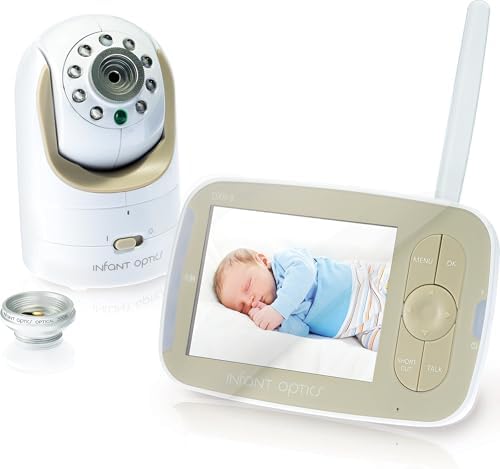
Infant Optics DXR-8
Local feed, no subscription, replaceable battery
Screen feels dated, battery degrades after a year
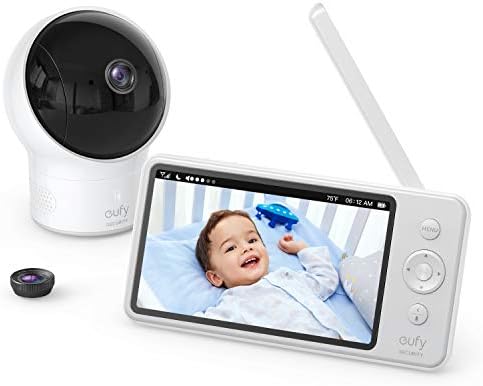
eufy Security Video Baby Monitor
Local feed, no subscription
Stiff buttons, cheap screen plastic
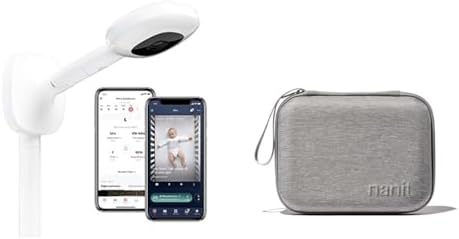
Nanit Pro
Secure Wi-Fi video, subscription optional
Subscription trap, overpriced stand

Motorola Moto G Stylus 5G | 2024 | Unlocked | Made for US 8/128GB | 50MP Camera...
Huge screen, solid range on parent unit
More camera hardware means more app dependence, not simpler feeding.
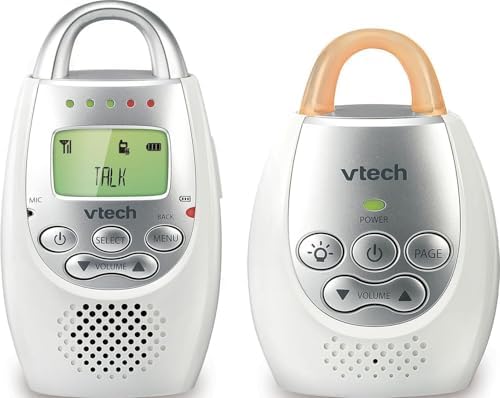
VTech Audio-Only
Never fails, no wifi needed, zero anxiety
You hear the nursery, but you cannot see what caused the noise.
Prices and availability were captured from Amazon Creators API and may change.
Week 6. My daughter had a cold, and I was already on edge. I had the Nanit Pro mounted above her crib, the breathing band wrapped around her sleep sack, and the app open on my phone. Then the router blinked.
Just a standard firmware update, the kind that happens once a month. The app spun for ten seconds, then gave me the dreaded "Connection Lost" screen.
I walked to the nursery, opened the door, and saw my daughter's chest moving. Fine. But the monitor was useless.
That was the moment I started questioning the whole Wi-Fi category.
The "Dumb Monitor" Defense
I bought the Infant Optics DXR-8 after returning the Nanit. It's a local feed, which means the video goes straight from the camera to the parent unit. No internet. No app. No cloud. The version I own has the interchangeable lens system, which is genuinely useful. I can zoom in on the crib to check for a blanket, or pull back to see the whole room. I paid $109 for it. No subscription. Ever.
The flaws are real. The screen is low-resolution, and the UI feels like a calculator from 2008. The battery degraded after about a year of nightly use, which every parent I've talked to confirms. But I can replace that battery for $25. I don't have to send the unit back to the manufacturer or pay a monthly fee to keep it alive.
I tell every new parent the same thing now. You don't need to watch your kid sleep. You need to hear them cry. A $30 VTech audio-only unit that works is better than a $300 camera that crashes. Dan, a dad of two, had his Motorola screen die during a nap.
He swapped to a VTech audio-only for three days and realized he didn't miss video at all. "You don't need video.
You need your sleep." That's the truth.
The Subscription Trap
The Nanit Pro is a good camera. The breathing motion tracking is actually accurate. I'll give it that. It caught my daughter's chest rise and fall with a green outline on the app, and it never missed a breath. But the $299 price tag is just the entry fee. Then it's $100 a year to see recorded clips. That's rent. For a camera. In my own house.
Maya, a first-time mom, bought the Nanit after seeing influencers use it. The breathing band kept slipping off her baby's chest. She returned it and got an Infant Optics. Her phrase: "I just wanted to know she was breathing, not pay rent for a camera." That's exactly it.
The math is simple. Nanit Pro at $299 plus $100/year subscription. Over two years, that's $499 for a camera. The Infant Optics DXR-8 is $109, no subscription. You do the arithmetic.
The Eufy Sweet Spot
The Eufy SpaceView is the best value in the mid-range. No subscription. Local feed. Night vision that actually shows you the crib instead of a green blur. I've seen it on sale for $129, and at that price, it's a legit deal.
The screen feels cheap and the buttons are stiff. Pretty annoying at 2 a.m. when you're trying to adjust the volume without waking the baby. But it doesn't crash, it doesn't charge you monthly, and it shows you your kid in pitch darkness. That's what matters.
We almost returned the Eufy because of the stiff buttons. Then the wifi went out and the local feed kept working. We kept it.
The Range Reality
Motorola gets praised for the huge screen and good range. True. The parent unit has a 5-inch display that's actually bright enough to see in a dark room, and the signal held up at 40 feet through two walls in my house.
But the app is garbage. It takes 10 seconds to load video remotely. In what world is that acceptable? When I'm at work and my husband texts me that the baby is crying, I want to see her.
Not wait for a spinner.
People complain about signal drops when they close the bedroom door. I've had it happen at 20 feet through one wall. That's not range. That's false advertising.
The Sensor Pad Problem
This isn't strictly a wifi vs no wifi question, but it's related. The Babysense sensor pad gets praise for actually catching breathing pauses. That's important. It's the whole point. But the false alarms are terrifying.
Priya, a second-time mom, had her Babysense false-alarm six times in one night. She unplugged it and never used it again. "I was more scared by the monitor than by SIDS. That's when I knew it was broken."
I know that feeling. When you're sprinting into the nursery at 3 a.m. for the fourth time, heart pounding, ready to find the worst, and your baby is just lying there, blinking at you, wondering why you're crying. That's not safety. That's trauma. False alarms train you to ignore real ones, and that's a design failure.
What Actually Matters At 3 A.M.
I don't track prices day to day, so I won't pretend to know next week's sales. But I do know what matters when you're running on four hours of broken sleep.
First, night vision that actually works in pitch dark. The Eufy and the Infant Optics both pass this test. The Nanit did too, but I had to open the app first, which meant unlocking my phone, waiting for the feed, and praying the wifi held.
Second, battery life that survives the night. The Nanit's parent unit is your phone, which means it dies when your phone dies. The Infant Optics and Eufy have dedicated parent units that last 8-10 hours on a charge. I've had the Infant Optics die at 5 a.m. once, but that was after a year of nightly use. The Eufy has never died on me.
Third, what happens when the wifi drops. With a local feed, nothing happens. The video keeps flowing. With a wifi monitor, you get a spinning wheel and a panic attack.
The Verdict, In Prose
Choose the Infant Optics DXR-8 if you want a monitor that just works, with a replaceable battery and no subscription. The screen is dated and the buttons feel old, but it's honest. Choose the Eufy SpaceView if you want better night vision and a slightly more modern feel, and you're okay with stiff buttons.
Choose the Nanit Pro if you're okay with paying rent for a camera and you trust the band not to slip.
I didn't.
The best monitor is the one that works when the wifi doesn't. Because the internet will fail you. It always does. I've been through the 2 a.m. battery death, the false alarm panic, and the app crash during a fever. I bought the $300 camera and downgraded to a local-feed unit. I haven't looked back.
Buy a dumb monitor. Your sleep will thank you.