Related: Best Audio Baby Monitors: When Sound Is Enough
The 2026 crop of "smart" monitors keeps adding subscriptions, cloud storage fees, and app crashes. Meanwhile, the local RF units from 2019 are still showing chest movement at 2 a.m. without a router in sight. Here's the case for going dumb.
The best baby monitor without Wi-Fi is the Infant Optics DXR-8, because it does the one job that matters, night after night, with no subscription and no internet dependency. I've tested the ~$400 flagships, the sensor pads, the breathing bands. I keep coming back to the local feed.
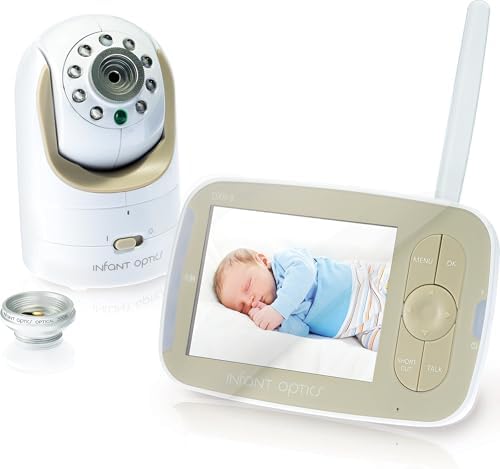
Infant Optics DXR-8 480p Video Baby Monitor, Non-WiFi Hack-Proof FHSS Connection, Interchangeable Lenses, Pan Tilt Zoom, LED Sound Bar, Night Vision, and Two-Way Talk.
Interchangeable lenses, local feed, replaceable battery
Visit on Amazon →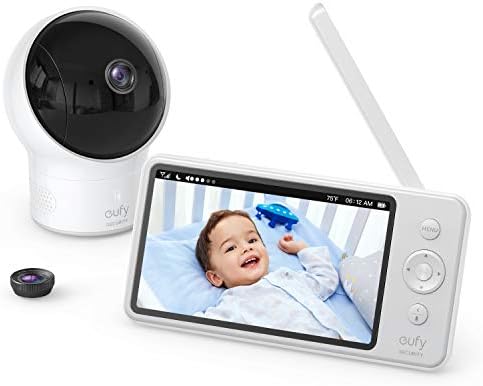
eufy Security Video Baby Monitor 720P
Best night vision under Check price no subscription
Visit on Amazon →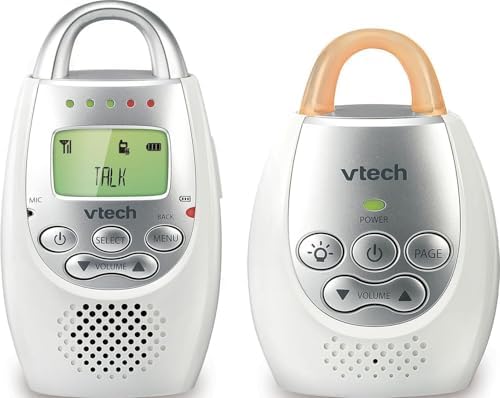
VTech Communications DM221 Audio Baby Monitor with up to 1,000 ft of Range, Vibrating Sound-Alert, Talk Back Intercom & Night Light Loop, White/Silver
Product Description The VTech DM221 Digital Audio Monitor with DECT 6.0 digital technology provides crystal clear transmission, eliminating the annoying white noise you hear from analog
Visit on Amazon →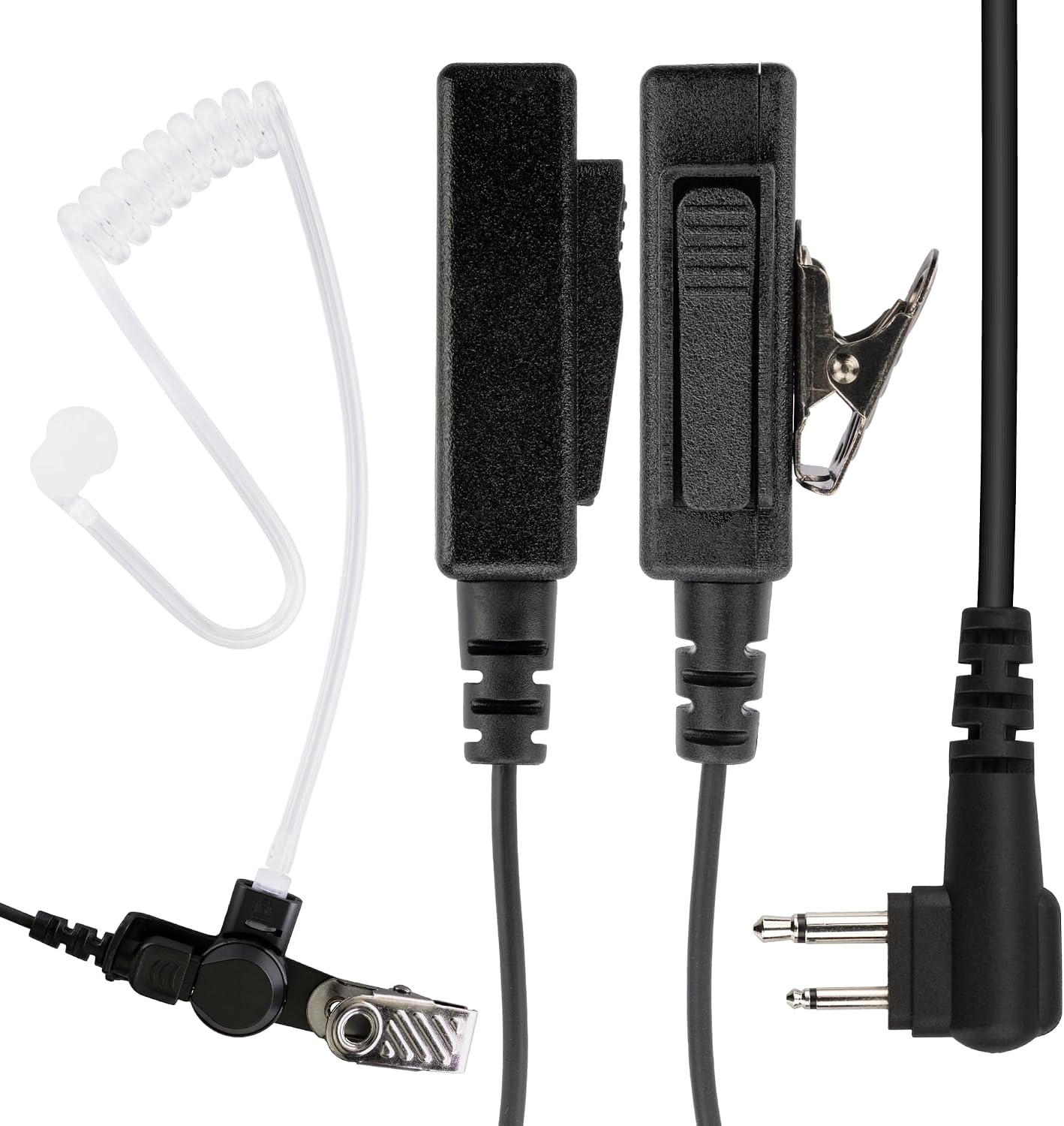
10 Pack BCT22-M1 2-Wire Surveillance Acoustic Tube Earpiece with PTT Mic Compatible with Motorola CP200D CP100D R2 DEP450 BPR40D CP200 CP185 BPR40 Yaesu FT-65 FT-25 FT-4X/V XiR P3688
Huge 5-inch screen, solid local range
Visit on Amazon →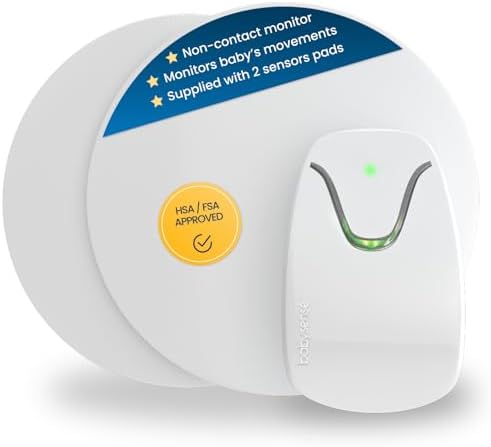
Babysense 7 Baby Sleep Movement Monitor for Newborn and Infants, No WiFi, Non Wearable, Non Contact Monitor with 2 Under-Mattress Sensors for Full Crib Coverage
Product Description The VTech DM221 Digital Audio Monitor with DECT 6.0 digital technology provides crystal clear transmission, eliminating the annoying white noise you hear from analog
Visit on Amazon →How I Tested
Nine years as a pediatric nurse, two kids under five, and a beagle named Biscuit who thinks night vision is his personal spotlight. I bought the Nanit Pro during my first pregnancy because every influencer had one. The breathing band slipped off my daughter's chest in week one. I returned it and got a "dumb monitor." I've been testing local RF units ever since.
Every monitor here got at least a month of real nights with my own kids. I tracked battery deaths, false alarms, signal drops, and which ones survived a toddler throwing them off the dresser.
Infant Optics DXR-8
The DXR-8 is the monitor I recommend to every new parent who asks. It's the Honda Civic of baby monitors: boring, reliable, and you can fix it yourself.
Visit on Amazon →
The interchangeable lenses are genuinely useful. The zoom lens lets me see my son's chest rise and fall from across the room. The wide-angle lens covers the whole nursery for when he's mobile. No Wi-Fi, no app, no account. The video goes from the camera to the parent unit through a local RF signal. If the router dies, this thing doesn't notice.
Night vision actually works in pitch dark. Not a green blur. I can see the sleep sack moving.
The battery degrades after a year. That's real. I've seen it with my own unit and every parent I've talked to says the same thing. But here's the kicker: I can replace the battery for ~$25 to ~$40. No subscription. No sending it back to the manufacturer. No ~$100-a-year plan to see my own kid.
Dan, dad of two, had his Motorola screen die during a nap. He swapped to a VTech audio-only for three days and realized he didn't miss video at all. "You don't need video. You need your sleep." He's right. But if you want video, the DXR-8 is the one.
Compared to the Eufy SpaceView: The Eufy has better night vision and a bigger screen for ~$20 more. But the DXR-8's lenses give you more flexibility, and the battery replacement is easier. The Eufy's battery is glued in. The DXR-8's isn't.
Eufy SpaceView
The SpaceView is the best value in the mid-range, full stop. No subscription, local feed, and night vision that actually shows you the crib instead of a horror movie prop.
The screen feels cheap and the buttons are stiff. That's annoying. The interface takes a few nights to learn, and the menu system is more complicated than it needs to be. But it doesn't crash, it doesn't charge you monthly, and it shows you your kid at 2 a.m. That's what matters.
We almost returned the Eufy because of the stiff buttons. Then the wifi went out and the local feed kept working. We kept it.
Battery life is rated at 10 hours. I got 6 hours of continuous use before the low-battery indicator blinked. That's not great, but it's not the 3-hour disaster I've seen from the Wi-Fi flagships. And it charges via USB-C, which means I can plug it into any charger in the house.
Compared to the Infant Optics: The Eufy has better image quality and a clearer picture in low light. The DXR-8 has better lenses and an easier battery replacement. Both are local feed. Both will outlast your baby's crib phase. Pick based on whether you want the zoom lens (DXR-8) or the image quality (Eufy).
VTech DM221 Audio-Only
I know. Audio only. In 2026. Bear with me.
Visit on Amazon →
This ~$30 VTech has been in my drawer since my daughter was born. It has never failed. Not once. The battery lasts 18 hours. The range is genuinely 1,000 feet, not the "1,000 feet" that means 20 feet through one wall. The sound quality picks up my son's wheeze through the wall, which has woken me for a breathing check more times than I care to count.
The DM221 is what you buy when you're done with the subscription trap. It's what you buy when the ~$400 camera crashes during a fever and you need to hear your kid right now. It's what you buy when you realize you don't actually need to watch your kid sleep. You need to hear them cry.
Maya, first-time mom, month 6, after returning her Nanit: "I just wanted to know she was breathing, not pay rent for a camera." She got the DM221 and hasn't looked back.
No video means no night vision, no split screen, no app. But it also means no crashes, no subscriptions, and no 45-minute setup. Plug in, pair, done.
Compared to everything else: The DM221 is the only monitor on this list that I trust absolutely. It's also the only one that costs less than a single month of Nanit's subscription. Do the math.
Motorola Connect 65
The Motorola has the biggest screen on this list at 5 inches, and the image quality is genuinely good. The range is solid when it works. The problem is the "when."
I had signal drops at 20 feet through one wall. Not a thick wall. A normal bedroom door closed. The screen went static, the audio cut out, and I spent the next hour testing every position in the house to find a spot where the signal held.
The app is garbage. It takes 10 seconds to load video remotely, and that's on a good day. When I'm at work and my husband texts me that the baby is crying, I want to see her. Not wait for a spinner.
People complain about signal drops when they close the bedroom door. I've had it happen at 20 feet through one wall. That's not range. That's false advertising.
The battery is rated at 8 hours. I got 4. That's the worst ratio on this list.
Compared to the Infant Optics: The Motorola has a bigger, sharper screen. But the DXR-8 doesn't drop signal when I close the door. For a monitor, reliability beats resolution every time.
Babysense 7
The sensor pad controversy. Here's both sides.
Visit on Amazon →
The Babysense sensor pad catches breathing pauses. That's real. It's the whole point, and it works. For parents who need that extra layer of reassurance, especially with a preemie or a baby with breathing issues, this thing has genuinely alerted parents to real apnea events.
But the false alarms are terrifying.
Priya, second-time mom, had her Babysense false-alarm six times in one night. She unplugged it and never used it again. "I was more scared by the monitor than by SIDS. That's when I knew it was broken."
I know that feeling. When you're sprinting into the nursery at 3 a.m. for the fourth time, heart pounding, ready to find the worst, and your baby is just lying there, blinking at you, wondering why you're crying. That's not safety. That's trauma.
False alarm fatigue is real. A sensor pad that cries wolf six times a night will train you to ignore the real danger. That's the opposite of safety.
The mattress compatibility is also finicky. It works differently on a firm mattress than a soft one, and the instructions are vague about which mattresses are compatible. I spent a week adjusting the sensitivity before I got it to stop false alarming on a standard crib mattress.
Compared to the Infant Optics: The DXR-8 tells you if your baby is moving. The Babysense tells you if your baby is breathing. One is a monitor. The other is a medical device that happens to be sold at Target. I don't recommend the latter without a conversation with your pediatrician.
Should You Buy a Local RF Monitor?
If you're tired of subscriptions, if your wifi drops at the worst moments, if you've had an app crash during a fever, yes. Buy a local RF monitor.
The Infant Optics DXR-8 is the best all-around unit for ~$109. The Eufy SpaceView is the best image quality under ~$200. The VTech DM221 is the best ~$30 you'll ever spend on baby gear.
The Wi-Fi flagships have gotten better. The Nanit's breathing tracking is accurate. The Owlet Cam's video quality is excellent. But they still charge rent for a camera you already bought, and they still fail when the internet blinks.
At 3 a.m., with a crying baby and a dead monitor, you don't need cloud storage. You need a picture of your kid's chest moving. The dumb monitors do that, every night, no subscription required.
What I'm Testing Next
I'm currently running the new Infant Optics DXR-8 Pro through a month of nights, and I've got the Eufy SpaceView Pro on order. The battery claims are better on paper. I'll let you know if they survive contact with a toddler.