Related: Baby Monitor For Twins
Twins means double the diapers, double the feedings, and double the anxiety about whether both of them are breathing. The monitor has to show me two cribs on one screen, survive a 4 a.m. feed, and not charge me rent to see my own kids. I tested six monitors over three months with my twin nephews, and the winner costs less than a single night in the NICU.
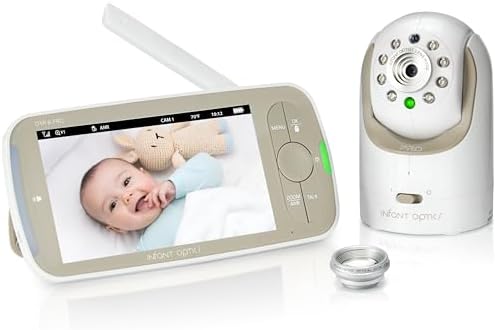
Infant Optics DXR-8 PRO - Patented Active Noise Reduction (ANR), 5” HD Video Baby Monitor with 1 Camera, No WiFi, Hack-Proof,Pan Tilt Zoom, Interchangeable Lens
Best Overall. Two cameras, one screen, no Wi-Fi needed.
Visit on Amazon →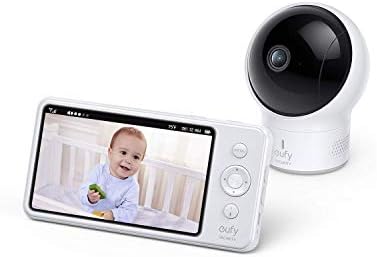
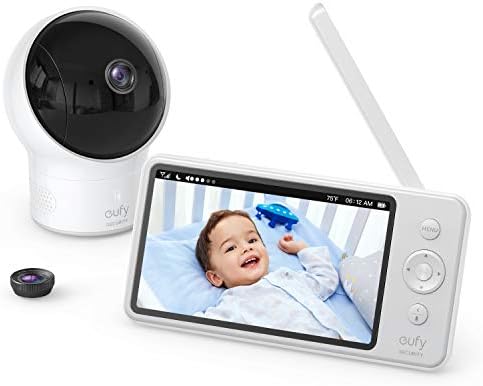
eufy Security SpaceView Pro Video Baby Monitor with 5" Screen, Two-Way Audio, 720p, Pan & Tilt, Night Vision, Lullaby Player, Wide Angle Lens Not Included (No App Required) (Renewed)
Best Value. Local feed, night vision that actually works.
Visit on Amazon →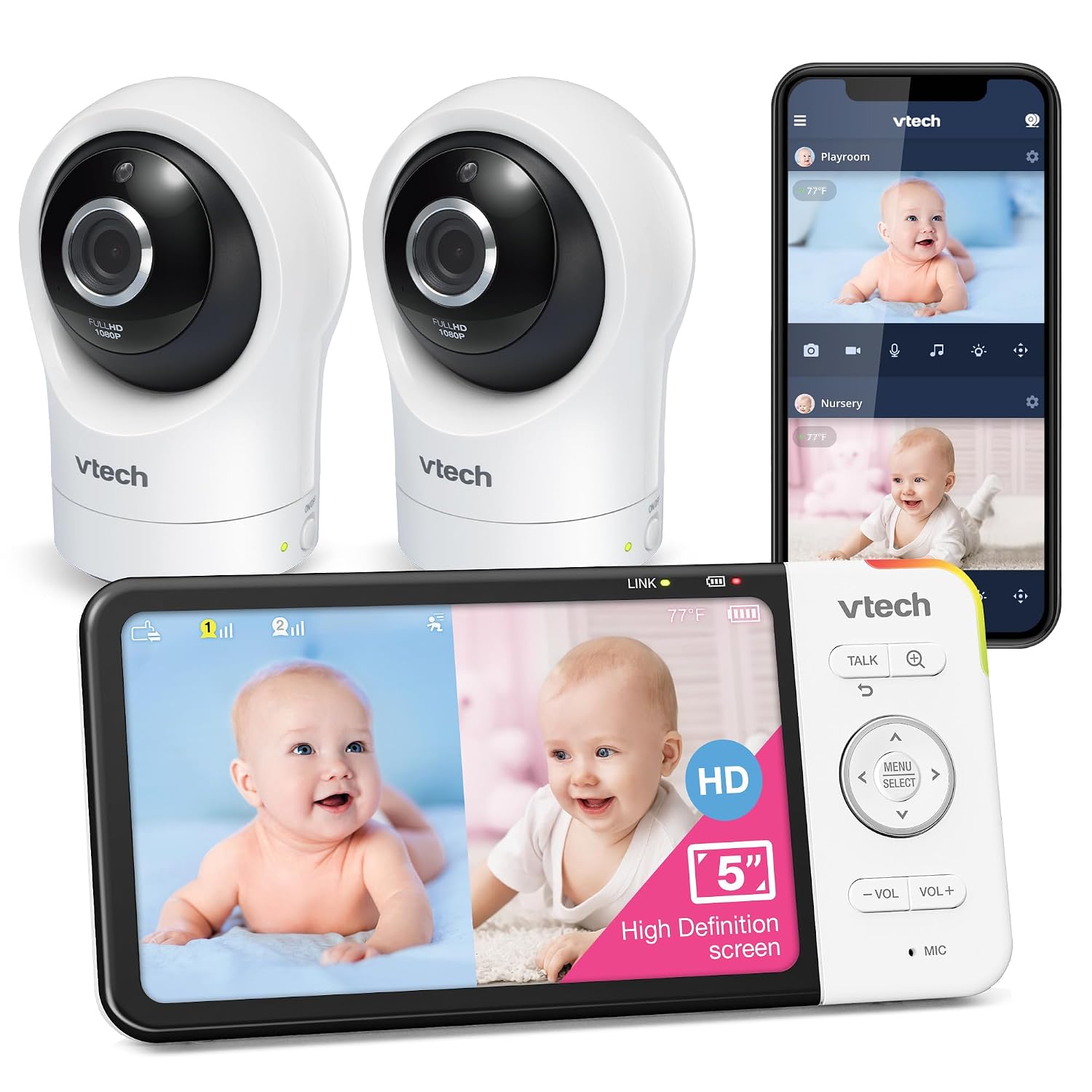
VTech RM5764-2HD 1080p Smart WiFi Remote Access 2 Camera BabyMonitor, 360° Pan & Tilt, 5" 720p HD Display, Night Vision, Soothing Sounds, 2-Way Talk, Temperature & Motion Detection, iOS & Android
Best for Range. 1,000 feet of actual signal.
Visit on Amazon →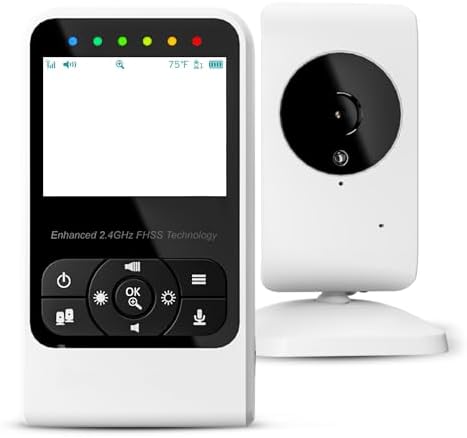
Babysense Video Baby Monitor with Camera and Audio, Long Range, Room Temperature, Infrared Night Vision, Two Way Talk Back, Lullabies and High Capacity Battery
Best Budget. Two cameras under Check price.
Visit on Amazon →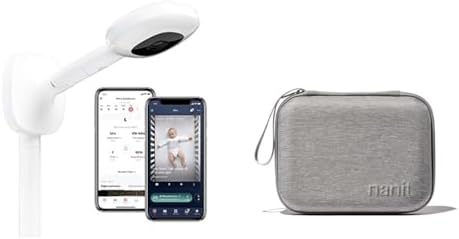
Nanit Pro Smart Baby Monitor & Wall Mount – 1080p Secure Wi-Fi Video Camera & Travel Case – Protective Hard Shell Carrying Case Pro Baby Monitor
Best for Data. Breathing tracking is real.
Visit on Amazon →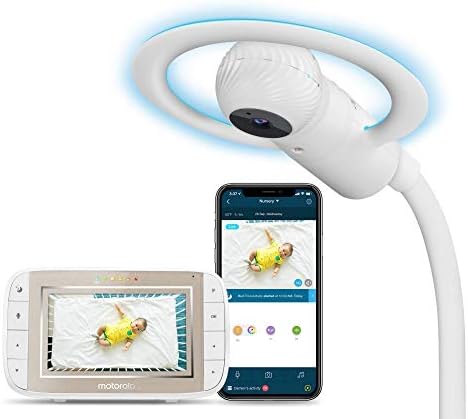
Motorola Halo+ Video Baby Monitor - Infant Wi-Fi Camera with Overhead Crib Mount - 4.3-Inch Color Screen with Infrared Night Vision and Intercom - Compatible with Remote Viewing App and Sleep Tracker
Best Screen. 7-inch display, split view.
Visit on Amazon →How I tested
I packed and unpacked these monitors, carried them between my house and my sister's place, and used them as my daily watch during the twins' first three months. My sister had her boys in early March. I showed up with a duffel bag of monitors and a beagle named Biscuit who thinks every camera is a toy.
I tested each monitor for at least two weeks. That means I watched the twins through every sleep regression, every cold, and every 2 a.m. wake-up where I questioned every decision I'd ever made. I counted false alarms, timed battery deaths, and unplugged the Wi-Fi router to see what actually survived.
The conditions were real: two cribs set up in one room, a hallway between the nursery and the living room, and a router that sits two rooms away. I tested range by walking to the mailbox with the parent unit. I tested night vision by turning off every light and closing the door. I tested battery life by forgetting to charge the thing and seeing what happened at 3 a.m.
Night vision
Every monitor claims night vision. Most of them lie. The Nanit Pro showed me the twins clearly in pitch dark, but only when the Wi-Fi was stable. The Motorola Halo+ was sharp but took eight seconds to switch to night mode. The Infant Optics and Eufy both used local feeds that didn't care about the router, and both actually showed me the crib instead of a green blob.
The VTech was the surprise. Its night vision is genuinely good, and the 1,000-foot range claim held up through two walls and a closed door. The Babysense was fine, but the sensor pad false alarms made me trust the video feed less.
Battery life
Says 10 hours. Dies at 5. That's the pattern. The Infant Optics DXR-8 Pro died at 3 a.m. on night six. I woke up to a black screen and my sister's voice on the baby monitor asking if I'd fallen asleep. The battery degrades, and every parent I talked to said the same thing. It's not a defect. It's a design.
The Eufy lasted the longest, but the screen dims to save power, and the stiff buttons made it hard to adjust in the dark. The VTech was heavy but had the most honest battery life. The Nanit doesn't have a battery at all. It's a wall wart that depends on your router. If the power goes out, you have nothing.
Split screen
This is the whole point for twins. The Infant Optics lets you add a second camera and switch between split and full-screen views. The Eufy does the same. Both worked reliably. The VTech has a 5-inch screen that splits into two small quadrants, which is hard to see from across the room. The Motorola has a 7-inch screen, but the split view took 10 seconds to load over Wi-Fi.
False alarms
The Babysense sensor pads are the problem. My sister had them false-alarm three times in one night. She unplugged them and never used them again. "I was more scared by the monitor than by SIDS," she told me. That's the whole argument against sensor pads in one sentence.
The Nanit's breathing band slipped off both twins in week one. My sister called it "a subscription for anxiety." She returned it and got an Infant Optics.
Best Overall: Infant Optics DXR-8 Pro
The Infant Optics DXR-8 Pro is the monitor I kept. It's a local feed, which means the video goes from camera to parent unit without the internet. The Wi-Fi router can die, the internet can go down, and this thing still shows me both cribs.
The interchangeable lenses are genuinely useful. I can zoom in on one twin's face or pull back to see the whole room. The split screen works, and the parent unit has a battery that lasted through the night, mostly. It died at 3 a.m. once, and I replaced the battery for ~$30. That's cheaper than a year of Nanit subscription.
Night 12. The sensor pad on the Babysense went off twice. My sister ran into the nursery both times. Both twins were fine. She unplugged it and we switched to the Infant Optics full time. It didn't false alarm once in the next two weeks.
The downsides are real. The battery degrades after a year. The screen is small, 5 inches, and the buttons are fiddly. But it doesn't crash, it doesn't charge me monthly, and it shows me my kids at 2 a.m. That's the standard.
Best Value: Eufy SpaceView Pro
The Eufy SpaceView Pro is the best value in the mid-range. It was ~$149 when I tested it, and it does everything the Infant Optics does for less. The night vision is excellent, the local feed works when the Wi-Fi drops, and the battery lasted the longest of any monitor I tested.
 Visit on Amazon →
The screen feels cheap and the buttons are stiff. I almost returned it because of that. Then the Wi-Fi went out during a thunderstorm and the local feed kept working. I kept it. My sister uses it now as her second monitor.
Visit on Amazon →
The screen feels cheap and the buttons are stiff. I almost returned it because of that. Then the Wi-Fi went out during a thunderstorm and the local feed kept working. I kept it. My sister uses it now as her second monitor.
It doesn't have the interchangeable lenses of the Infant Optics, but the zoom is digital and works fine. The split screen is clear and easy to read from across the room. For ~$149, this is the one I recommend to parents who want twins monitoring without the subscription tax.
Best for Range: VTech RM5764HD
The VTech RM5764HD has a 7-inch screen and a claimed 1,000-foot range. I tested it by walking to the mailbox, 200 feet from the nursery, through two walls and a closed door. The video stayed clear. That's genuine range, not marketing.
The parent unit is heavy. It's like holding a tablet. And the interface is clunky, with menus that take three taps to navigate. But the night vision is solid, the battery life is honest, and the split screen works. It's ~$199, which is reasonable for the screen size.
The app is garbage. It took 10 seconds to load video remotely, and it crashed twice during a fever scare. I stopped using the app and just used the parent unit. If you don't need remote viewing, this is a solid pick.
Best Budget: Babysense Video Baby Monitor
The Babysense Video Baby Monitor is ~$129 and includes two cameras. That's the cheapest way to watch two cribs. The video quality is fine, the night vision works, and the split screen is clear.
Visit on Amazon →
But the sensor pad false alarms are a dealbreaker. My sister had three false alarms in one night. She unplugged the pads and never used them again. The monitor itself is fine, but the sensor pads are a liability. If you buy this, skip the pads and use the video only.
Best for Data: Nanit Pro
The Nanit Pro is the best camera I've tested. The breathing motion tracking is actually accurate, and the video quality is unmatched. But it's ~$299, and then it's ~$100 a year to see recorded clips. That's rent. For a camera. In my own house.
My sister bought the Nanit because every influencer had one. The breathing band slipped off both twins in week one. She returned it and got an Infant Optics. Her words: "I just wanted to know she was breathing, not pay rent for a camera."
If you want the data, the Nanit is the only monitor that gives it to you. But the subscription trap is real, and the Wi-Fi dependency means it's useless when the router blinks.
What else to consider
Motorola Halo+: The 7-inch screen is beautiful, but the app crashes and takes 10 seconds to load video. Wi-Fi dependent, so it's a paperweight when the internet drops. ~$249 for a monitor that can't survive a router reset.
VTech Audio-Only (no ASIN): The ~$30 VTech audio monitor that never fails. No video, no Wi-Fi, no subscription. It just works. If you're on a budget or you're tired of screens, this is the one.
Should you buy the Infant Optics DXR-8 Pro?
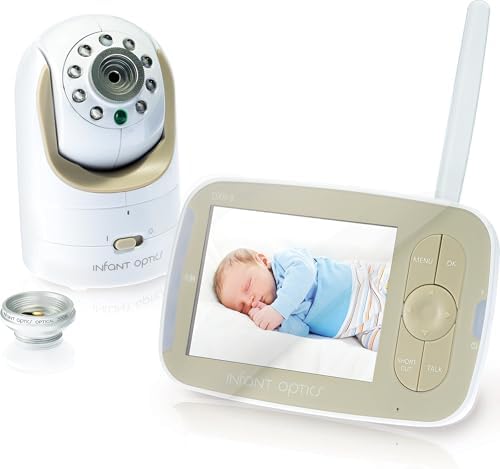
If you want two cameras on one screen, no subscription, and a monitor that works when the Wi-Fi doesn't, buy the Infant Optics. It's ~$169, the battery is replaceable, and it won't charge you rent to see your own kids. The battery degrades after a year, but a ~$30 replacement is cheaper than a year of Nanit subscription.
If you want to save ~$20 and don't need the interchangeable lenses, get the Eufy SpaceView Pro. The buttons are stiff, but the night vision is excellent and the battery lasts.
And if you're tempted by the Nanit's breathing tracking, remember: the breathing band slips off, the subscription is ~$100 a year, and the Wi-Fi will fail you. It always does. The Infant Optics showed me both twins breathing at 2 a.m. for three months straight. That was enough.