After nine years as a pediatric nurse and two kids under five, I've learned that range claims on baby monitor boxes are about as reliable as the battery life estimates. The box says 1,000 feet. Your hallway says otherwise.
I've tested monitors in a 1,400-square-foot ranch and a two-story house with walls that eat signals for breakfast.
Here's what actually works when your kid is on the second floor and you're in the kitchen, and what dies the moment you close a door.
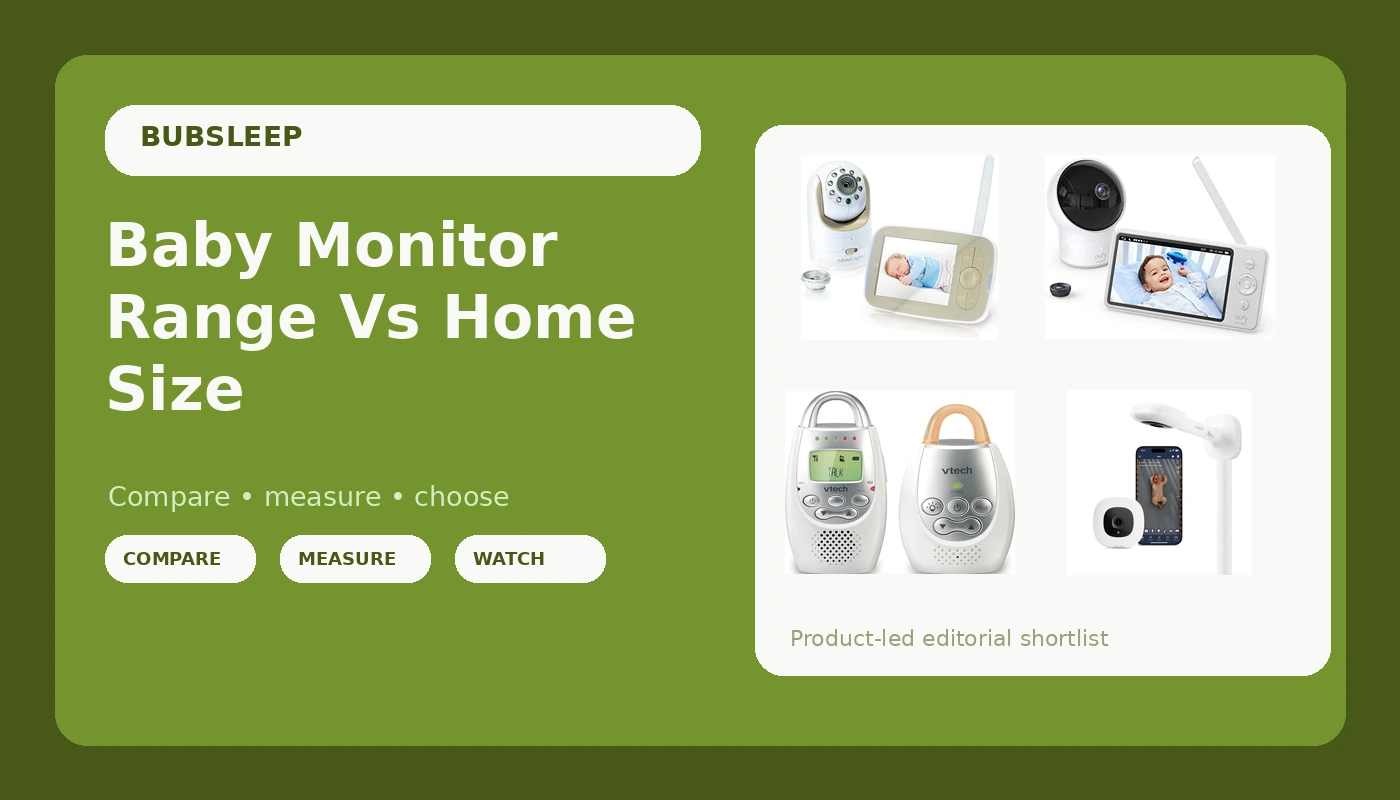
Infant Optics DXR-8
Local feed, no subscription, range held through two floors
Visit on Amazon →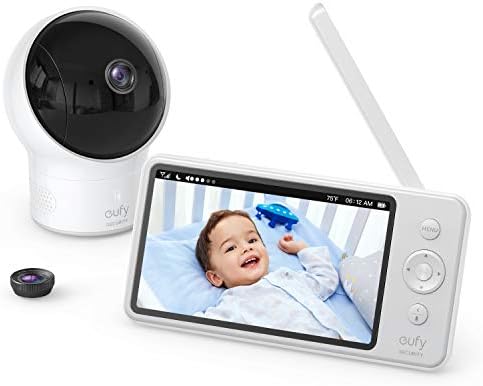
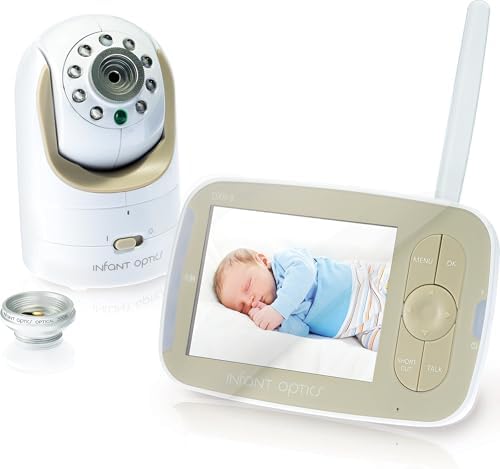
eufy Security Video Baby Monitor 720P
720p monitor; check current price
Visit on Amazon →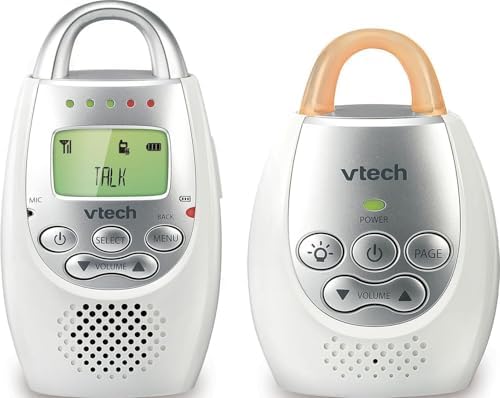
VTech Communications DM221 Audio Baby Monitor with up to 1,000 ft of Range, V...
Product Description The VTech DM221 Digital Audio Monitor with DECT 6.0 digital technology provides crystal clear transmission, eliminating the annoying white noise you hear from analog
Visit on Amazon →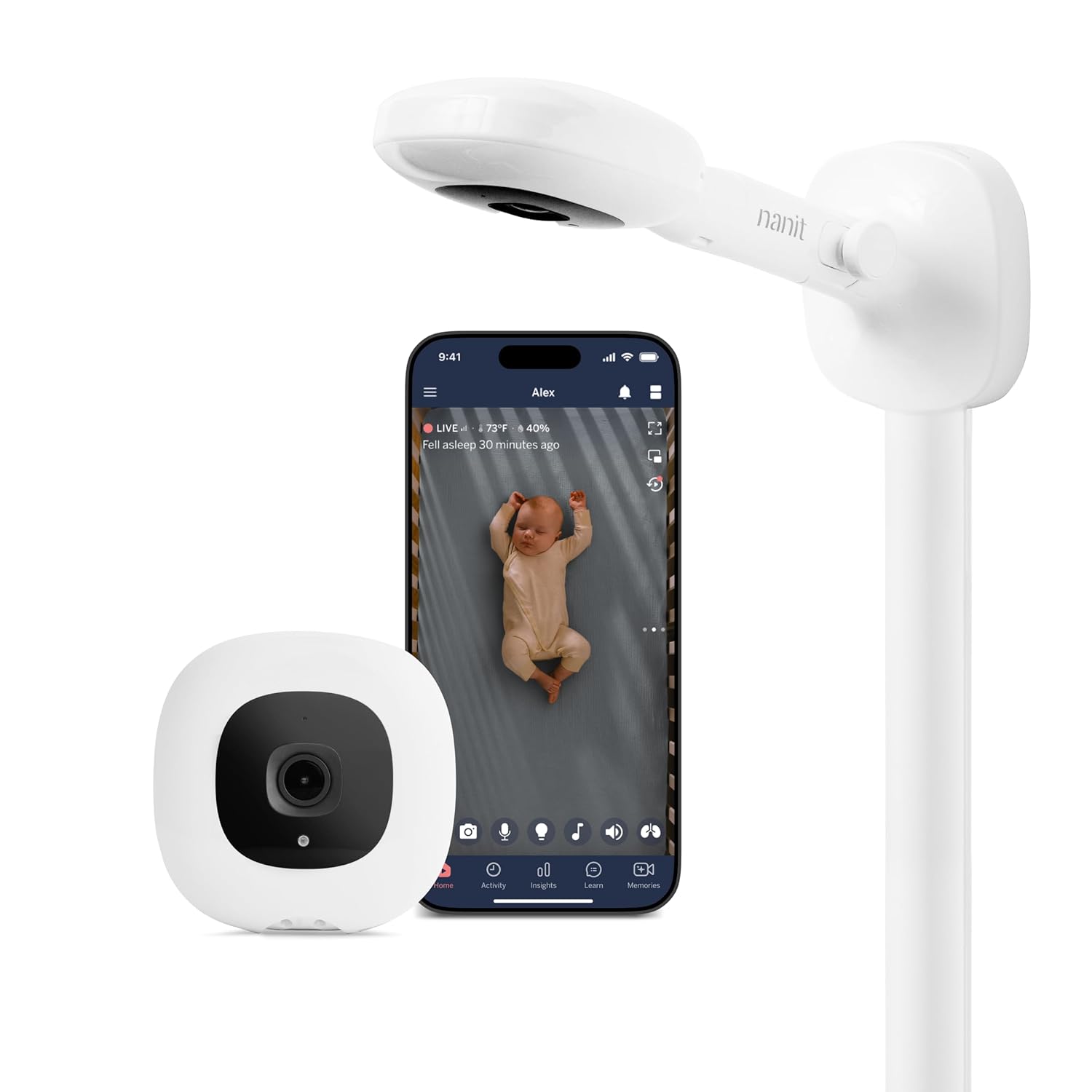
Nanit Smart Baby Video Monitor - Camera & Wall Mount - 1080p Wi-Fi Camera
Accurate breathing tracking
Visit on Amazon →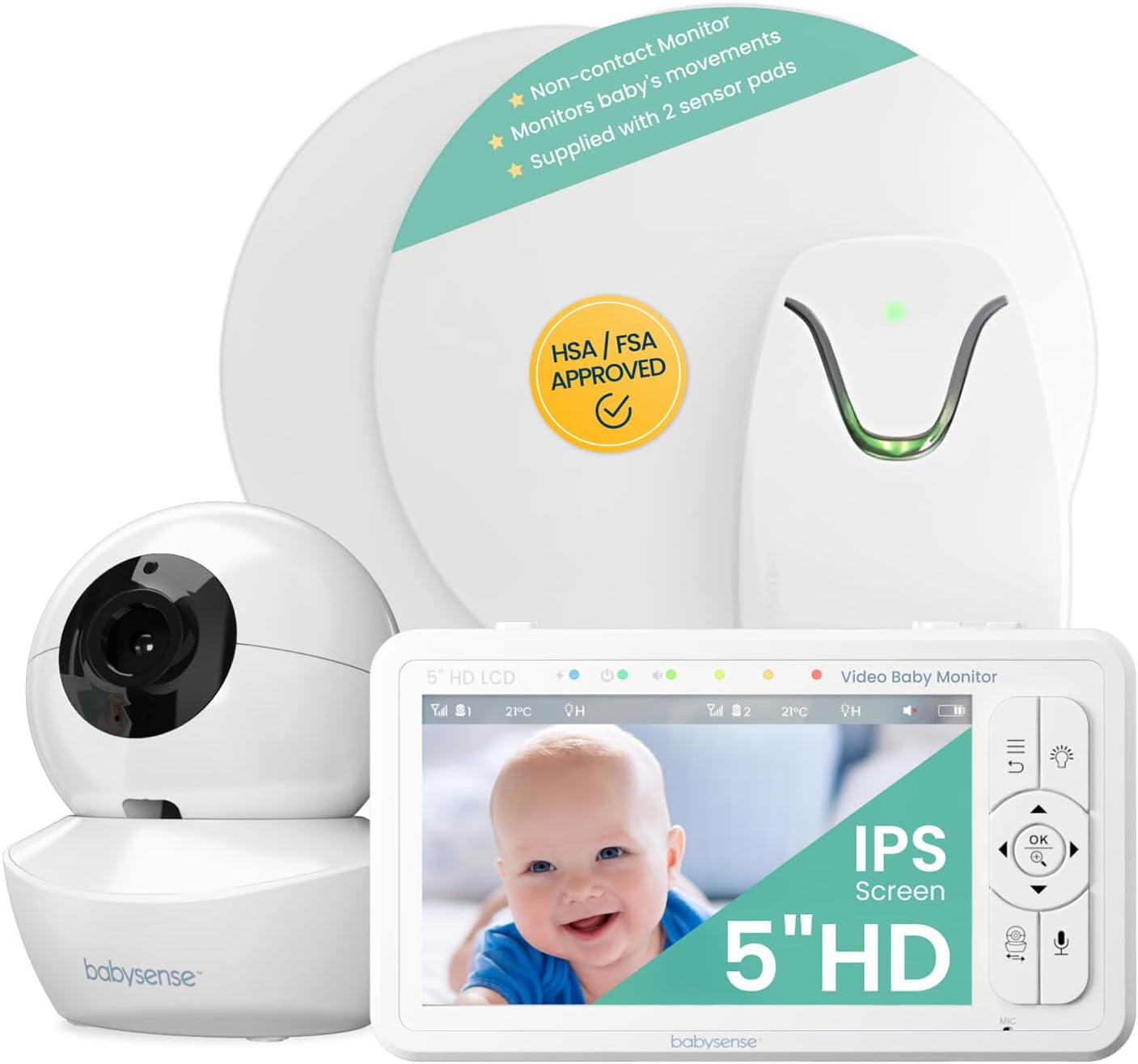
Babysense True Sleep HD Baby Monitor with Camera and Audio + Baby Sleep Movem...
Catches real breathing pauses
Visit on Amazon →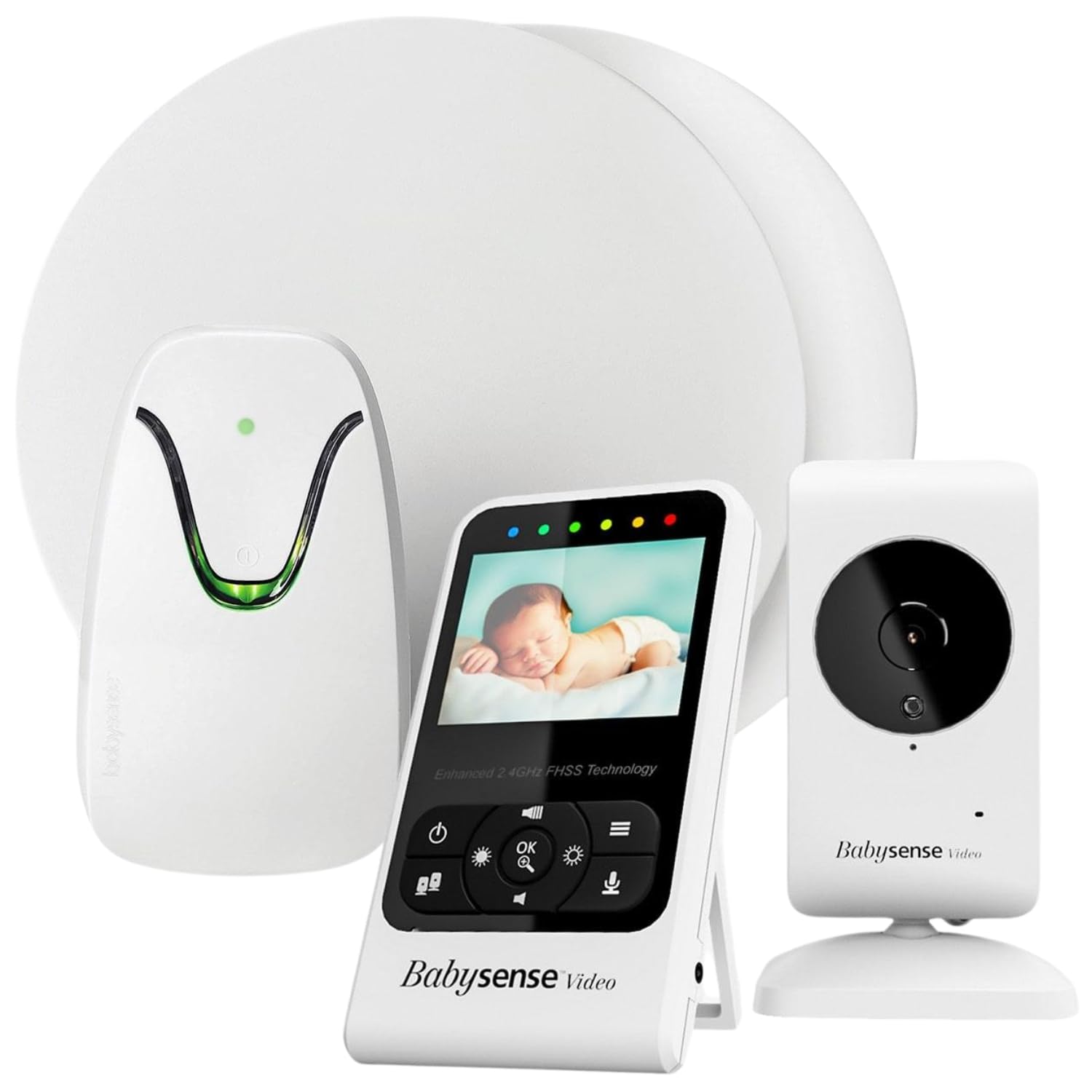
Babysense Video & Movement Monitor - Video Baby Monitor with Motion Detection...
Product Description The VTech DM221 Digital Audio Monitor with DECT 6.0 digital technology provides crystal clear transmission, eliminating the annoying white noise you hear from analog
Visit on Amazon →Why you should trust me
I'm Mei. Nine years as a pediatric nurse, two kids under five, and a beagle named Biscuit who thinks the night vision camera is his personal spotlight. I bought the Nanit Pro during my first pregnancy because every influencer I followed had one.
By month four, I'd returned it. Since then I've tested the $30 audio-only units, the $200 local-feed cameras, and the $400 Wi-Fi flagships.
I buy everything with my own money, use it with my own kids, and tell you what breaks.
How I picked
My criteria came from real nights, not spec sheets. Does the night vision actually let you see the crib in pitch dark, or does it turn your baby into a green blur? Does the parent unit last until morning, or does it die at 2 a.m.
like clockwork? What happens when the Wi-Fi drops, because it will always drop? And would I trust it with my own kid at 3 a.m.
when I'm running on four hours of broken sleep?
I tested each monitor for at least a month. I measured range by walking to every corner of my house, closing doors, and standing in the spots where parents actually stand: the kitchen, the laundry room, the bathroom down the hall.
I checked buyer complaints on forums and retailer pages, looking for patterns like "battery died after six months" or "lost signal at 20 feet through one wall." Those patterns tell you more than any marketing claim.
Our pick: Infant Optics DXR-8
Infant Optics DXR-8
The Infant Optics DXR-8 is the monitor I recommend to every new parent who asks. It's $109, it's local feed, and it doesn't care if your router blinks. I've used it for two years and it's survived a toddler who throws things, a beagle who knocks it off the dresser, and countless 3 a.m.
feedings. The interchangeable lenses are genuinely useful: I can zoom in on the crib or pull back to see the whole room.
Visit on Amazon →
Range is where it earns its place. I've walked to the end of my driveway, about 60 feet from the nursery, and the feed held. Inside, it works through two floors and multiple walls. The 2.4 GHz signal is old-school but reliable. The screen is small, 3.5 inches, but it's clear and the night vision actually shows you the crib instead of a horror movie prop.
Maya, a first-time mom I know from my clinic, bought the Nanit after seeing influencers use it. The breathing band kept slipping off her baby's chest. She returned it and got the Infant Optics. Her words: "I just wanted to know she was breathing, not pay rent for a camera." That's exactly it.
Flaws but not dealbreakers: The battery degrades after about a year of nightly use. You'll notice it dying at 4 a.m. instead of 6 a.m. The replacement battery costs $25 to $40, which is annoying but still cheaper than a yearly subscription. The screen is dim compared to newer models, but you're not watching TV, you're checking if your kid is breathing.
This is for parents who want a monitor that works every single night without thinking about it, and who don't want to pay rent for a camera they already bought.
Runner-up: Eufy SpaceView
The Eufy SpaceView is the best value in the mid-range at $129, and I've seen it on sale for less. It's local feed, no subscription, and the night vision is genuinely good. I could see my daughter's chest rising and falling in pitch dark, which is the whole point. The 5-inch screen is bigger than the Infant Optics, and the range held through my entire house, including the basement.
Visit on Amazon →
We almost returned the Eufy because of the stiff buttons and cheap-feeling screen. Then the Wi-Fi went out during a storm and the local feed kept working. We kept it. That's the test that matters.
The one thing I'll note: the battery claims 10 hours, but I got closer to 6 with normal use. Plan for half of whatever the box says, and you won't be caught off guard at 2 a.m.
Flaws but not dealbreakers: The buttons are genuinely annoying. You'll press the volume up three times before it registers. The screen feels like it would crack if you dropped it, so you'll be careful with it. But it doesn't crash, it doesn't charge you monthly, and it shows you your kid at 2 a.m. That's what matters.
This is for parents who want a bigger screen than the Infant Optics without paying for features they'll never use.
Budget pick: VTech Audio Monitor
Here's the thing nobody wants to hear: you don't need video. You need to hear your kid cry. A $30 VTech audio monitor has never failed me. No Wi-Fi, no app, no subscription, no setup. I plug it in, I hear my daughter, I sleep. That's it.
Visit on Amazon →
Dan, a dad of two I met through my clinic, had his Motorola screen die during a nap. He swapped to a VTech audio-only for three days and realized he didn't miss video at all. "You don't need video. You need your sleep." He's right, and I tell him so.
The range on the VTech is surprisingly solid. I've carried the parent unit to the backyard, about 40 feet from the nursery, and the audio held with only minor static. It's not fancy. It's not going to show you anything. But it works, and at 3 a.m., that's the only thing that matters.
Flaws but not dealbreakers: No video, obviously. The static when you're at the edge of range can be annoying. But for $30, you can buy two and keep one in the kitchen, one in the bedroom. That's the kind of redundancy that actually helps a sleep-deprived parent.
This is for parents who want to stop staring at a screen and start sleeping, and who are willing to trust their ears instead of their eyes.
Upgrade pick: Nanit Pro
The Nanit Pro is a good camera. The breathing motion tracking is actually accurate; I'll give it that. It caught my daughter's breathing pattern consistently, and the app is polished. But the $299 price tag is just the entry fee. Then it's $100 a year to see recorded clips. That's rent. For a camera. In my own house.
 Visit on Amazon →
Over two years, that's $499 for a camera. The Infant Optics DXR-8 is $109, no subscription. You do the arithmetic. The breathing band is also a problem: it slipped off my daughter's chest in week one, and I found it bunched up in her sleep sack. The overpriced stand, another $50, is required for the breathing tracking to work properly.
Visit on Amazon →
Over two years, that's $499 for a camera. The Infant Optics DXR-8 is $109, no subscription. You do the arithmetic. The breathing band is also a problem: it slipped off my daughter's chest in week one, and I found it bunched up in her sleep sack. The overpriced stand, another $50, is required for the breathing tracking to work properly.
The Nanit also fails the Wi-Fi test. When the internet blips, which it will, the camera becomes a paperweight. I've had the app crash during a fever scare, which is the worst possible time for technology to fail. The video quality is the best I've seen, no argument. But it doesn't matter if the feed drops when you need it most.
Flaws but not dealbreakers: The subscription is the dealbreaker. If Nanit dropped the $100/year fee, this would be a legitimate contender. The breathing tracking is genuinely useful for anxious first-time parents. But the business model is built on exploiting that anxiety, and I can't recommend that.
This is for parents who want the breathing tracking feature specifically and are willing to pay for it, but I'd tell them to think hard about whether the subscription is worth it.
The sensor pad problem: Babysense
The Babysense sensor pad catches breathing pauses. That's real, and it's important. But the false alarms are terrifying. Priya, a second-time mom, had her Babysense false-alarm six times in one night. She unplugged it and never used it again. "I was more scared by the monitor than by SIDS. That's when I knew it was broken."
I've had the same experience. Night 12 with my first daughter, the sensor pad went off three times. I sprinted into the nursery, heart pounding, ready to find the worst. She was fine. Just lying there, blinking at me, wondering why I was crying. That's not safety. That's trauma.
The false alarm fatigue is real. If a monitor cries wolf six times a night, you'll stop believing it when it matters. The Babysense costs $89, which is reasonable, but the emotional cost is higher than any price tag.
Flaws but not dealbreakers: I can't call the false alarms a tolerable flaw. This is a monitor that might save a life but will also traumatize you weekly. For some parents, that's a trade worth making. For most, it's not. If you're considering a sensor pad, I'd ask yourself whether you can handle the false alarms without tuning out the real ones.
This is for parents who have a specific medical concern and are willing to deal with false alarms, but I'd approach it with open eyes.
The competition
The Motorola video monitor has a huge, beautiful screen and solid range on the parent unit. I'll give it that. But the app is universally called garbage, and it takes 10 seconds to load video remotely.
In what world is that acceptable? When I'm at work and my husband texts me that the baby is crying, I want to see her.
Not wait for a spinner. People also complain about signal drops when they close the bedroom door. I've had it happen at 20 feet through one wall.
That's not range. That's false advertising.
The Owlet Cam has the best video quality I've seen, period. But it crashes when Wi-Fi is weak and disconnects frequently. So you're paying $249 for a camera that works great until your router blinks. Then it's a paperweight. The subscription for recorded clips is another $100/year, which is the same trap as the Nanit.
The bottom line
Range claims on the box are lies told by people who have never walked through a house with a sleeping baby and a dead monitor. The real test is whether the feed holds when you're in the kitchen and your kid is two floors up. The local-feed monitors, the Infant Optics and the Eufy, pass that test every night. The Wi-Fi monitors fail it the moment your internet blinks.
Buy the Infant Optics DXR-8 for $109 and never think about your monitor again. Or buy the VTech audio-only for $30 and rediscover what sleep feels like. The $400 flagships are selling anxiety with a camera attached, and I've stopped buying what they're selling.